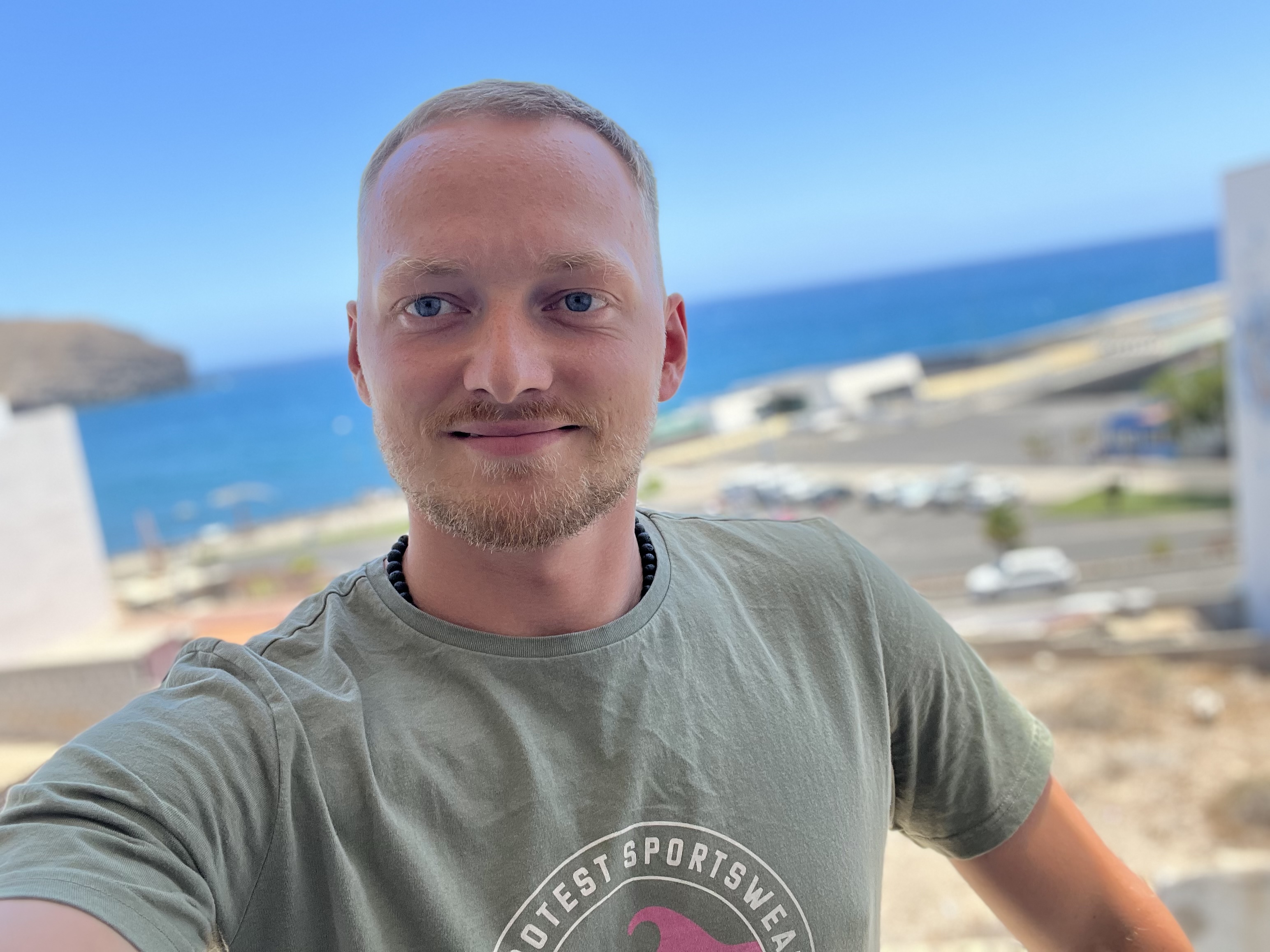
Nearly 18 years building products, platforms, and systems from zero. Hands-on technology leader strongest where engineering, business outcomes, and execution speed need to move together.
I'm not a strategy-only CTO and I'm not a pure manager. I'm a builder who has spent nearly 18 years creating products, solving operational complexity, and staying deeply hands-on — while also leading people, systems, and direction. I usually see multiple paths through a problem quickly, challenge weak assumptions, and move the best option into execution.
I'm not energized by maintenance. I'm energized by building, improving, solving complexity, and moving businesses forward. I naturally push toward action, not process for its own sake.
I rarely take tickets at face value. I challenge assumptions, think ahead, and look for stronger long-term solutions — especially when something is likely to create future cost or complexity.
I lead from the front: close to the code, close to the system, close to the business, close to the decision-makers. I'm a technical partner, not a presentation layer.
I move between code, architecture, product thinking, automation, and business decisions fluidly. That makes me effective in high-velocity environments that need judgment, not just execution.
Worked as Lead Developer in a high-scale, data-heavy product environment, contributing to the core platform, building microservices, shipping features, and helping shape technical direction across engineering work tied directly to a fast-growing product business.
Led a team of 5 developers, hired 4 of them. Set development standards, reviewed code and architecture decisions, mentored engineers, and worked cross-functionally with support, marketing, and other teams. Operated as the senior technical leader in practice across engineering direction, architecture, hiring, code quality, and delivery.
Supported a product business growing from roughly €9M to €14M+ in revenue during my time there — staying deeply hands-on while leading people, systems, and direction.
Built two shipping/logistics platforms from scratch — one internal operational platform with multiple carriers and real workflow value, and one public SaaS product. Both involved deep integration work across carriers and logistics systems.
These were not toy projects. They required systems thinking, complex workflow design, API depth, pricing logic, label generation, tracking, and operational automation — the kind of software where architecture decisions directly affect business operations.
Operating across a group of 9 businesses with roughly $50M in annual revenue, working directly with leadership on systems that affect core operations — HR, billing, payment collection, automation, document management, and workforce-related workflows for approximately 2,000 workers abroad.
Helping decide what to improve, what to automate, what direction to take, and what operational workflows can be redesigned or reduced. Currently rewriting major HR and billing functionality to solve real structural problems in the existing systems.
My background is not in traditional institutional fintech. It is in building payment-connected, subscription-based, and revenue-critical systems across e-commerce, SaaS, and operational platforms. That means I understand real-world billing and payment logic deeply — from checkout to recurring billing to failed payment recovery.
Using AI daily since roughly 2021/2022 — not as a trend, but as a force multiplier across how I build, think, solve problems, and automate work. I've built personal helper tools, automation workflows, and AI-assisted systems that increase speed, output, and decision quality.
When I see repetitive work, I immediately start thinking about how software, systems, or AI can remove it. Automation isn't an afterthought — it's my default mode. I've consistently replaced manual processes with systems that reduce waste and multiply output.
"I don't use AI as a talking point. I use it as leverage."
When I look at a problem, I usually don't see a single path. I see several possible architectures, trade-offs, and leverage points quickly. That makes me effective in fast-moving environments where the business needs more than execution — it needs judgment, initiative, and momentum.
I'm highly effective in high-context, fast-moving environments where not everything is perfectly packaged. I don't need clean requirements to start solving problems.
I'm comfortable saying "this is the wrong direction" — and even more comfortable proposing a better one. I don't execute blindly.
I think ahead to where today's shortcuts become tomorrow's expensive problems. That saves teams and businesses real time and money.
I don't treat technology as a department to maintain. I treat it as a lever for revenue, speed, operational efficiency, and strategic advantage.
I do not behave like someone who needs to be managed tightly. I take ownership, initiate conversations, and drive things forward without waiting for permission.
I see leverage and automation where others see routine work. My default is to build systems that remove waste and create compounding returns.
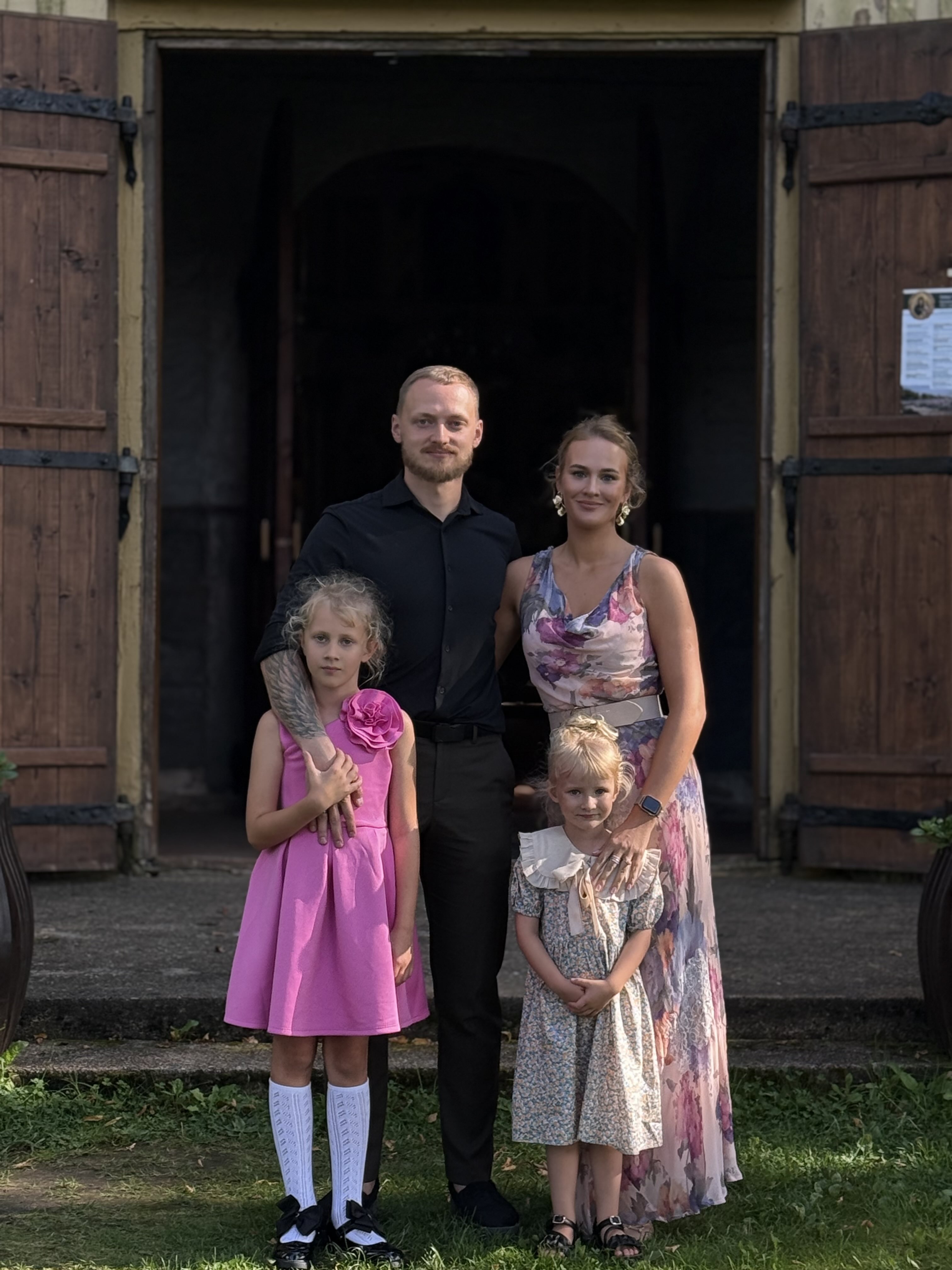
The way I work reflects the way I live: disciplined, consistent, and comfortable with hard things. I'm a father of two daughters, wake up early, and train daily — including kickboxing.
Over time, that consistency has included losing 18 kg through sustained effort and completing a full year of daily outdoor cold plunges — every single day, across every season.
None of this is decorative. It's the same pattern that shows up in work: set a direction, show up consistently, and don't stop when it gets uncomfortable.
I'm at my best in environments that want creation, speed, ownership, and real business impact — not preservation for its own sake. This role is not a maintenance CTO position. It's a builder role. That's exactly where I belong.
I'm not applying to manage technology from a distance. I'm applying to help build what matters.
Get in Touch →